
Caring for Refinished Surfaces: Maintenance Tips for Phoenix Residents
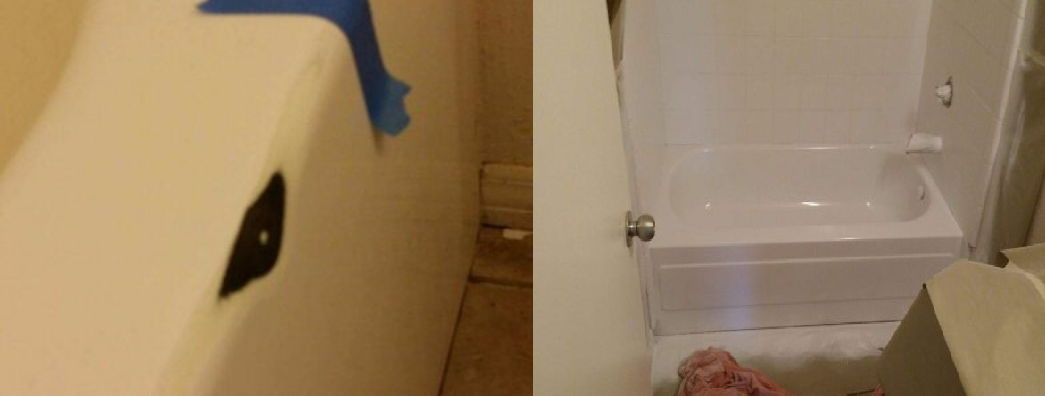
A professionally refinished bathtub, shower, sink, or other bathroom surface can give an older fixture a cleaner, refreshed appearance without requiring full replacement. In Phoenix, however, intense heat, mineral-rich water, household dust, and frequent bathroom use can all influence how refinished surfaces age.
The good news is that proper day-to-day care can help protect the finish and keep the surface looking its best for as long as possible.
Quick answer: Caring for a refinished surface generally means cleaning it regularly with non-abrasive products, avoiding harsh chemicals and scrubbing tools, keeping the surface free of standing water when practical, and addressing chips or damage promptly. Phoenix homeowners should also pay attention to mineral buildup because local hard water can leave deposits that encourage aggressive cleaning habits that may damage the finish.
What Phoenix Residents Should Know
-
Use mild, non-abrasive cleaners and soft cloths or sponges on refinished tubs, showers, and sinks.
-
Hard water throughout the Phoenix area can leave mineral residue, so regular gentle cleaning is usually better than waiting for heavy buildup.
-
Avoid steel wool, abrasive powders, stiff brushes, and harsh chemical cleaners unless your refinishing professional specifically says they are safe.
-
Repair dripping faucets when possible because continual water exposure can contribute to mineral deposits and staining.
-
Contact a refinishing professional if the coating begins peeling, bubbling, cracking, or separating rather than trying to conceal the problem with household repair products.
Why Refinished Surface Care Matters in Phoenix
Proper refinished surface care in Phoenix helps limit unnecessary wear caused by mineral deposits, dust, frequent cleaning, and the heavy use bathroom fixtures receive throughout the year. A refinished coating is designed to provide a renewed surface, but it should be treated differently from unfinished porcelain, fiberglass, or other original fixture materials.
Homes across Maricopa County deal with conditions that can make routine bathroom cleaning more demanding. Hard water residue can accumulate around faucets, drains, shower walls, and tub surfaces. Dust entering homes during dry weather and monsoon-season winds may also increase how often surfaces need to be wiped down.
Older homes in areas such as Arcadia, Encanto, North Central Phoenix, and neighborhoods near Downtown Phoenix may also have tubs and bathroom fixtures that have already seen decades of use. Refinishing can extend the usefulness and improve the appearance of these fixtures, but continued care matters after the work is complete.
A-1 Porcelain & Fiberglass Service Co., L.L.C. helps area property owners address porcelain and fiberglass surfaces through professional refinishing-related services. After refinishing, we encourage homeowners to treat the new coating carefully rather than assuming it can withstand every cleaner or abrasive tool used on an original factory surface.
Local Field Observations for Refinished Bathroom Surfaces
Refinished surfaces in the Phoenix area often benefit most from frequent, gentle maintenance rather than occasional aggressive cleaning. Local conditions can cause mineral residue, soap film, cosmetics, dust, and everyday bathroom debris to accumulate, particularly around drains, faucet bases, tub ledges, and shower floors.
One common maintenance challenge is allowing buildup to become severe enough that removing it requires substantial scrubbing. The stronger the cleaner and the rougher the cleaning tool, the greater the potential for unnecessary wear to a refinished coating.
Keeping deposits under control with routine care generally makes maintenance easier and reduces the temptation to use abrasive methods.
How Local Conditions Affect Refinished Surfaces
Phoenix conditions can affect refinished surfaces by increasing mineral buildup and creating a need for frequent cleaning. Water spots may become particularly noticeable on glossy finishes, while soap residue can collect along tub walls and shower surfaces.
Bathrooms also experience repeated cycles of moisture and drying. Homes in Scottsdale, Glendale, Tempe, Mesa, and other Valley communities may experience similar maintenance concerns because they share the region’s dry climate, dusty conditions, and mineral-heavy water characteristics.
Air conditioning keeps indoor temperatures manageable through much of the year, but bathrooms still see temperature changes from hot showers, ventilation, and everyday use. Keeping the area reasonably ventilated and clean can help reduce unnecessary stress on bathroom finishes.
Warning Signs Your Refinished Surface Needs Attention
Warning signs on a refinished surface include peeling, bubbling, cracking, unusual discoloration, or areas where the coating has begun separating from the underlying fixture. These problems deserve attention before they spread.
Watch for:
-
Small chips that expose the material underneath the coating.
-
Peeling around drains, edges, or frequently wet areas.
-
Bubbles or raised sections in the finish.
-
Cracks that appear within the refinished coating.
-
Persistent discoloration that does not respond to gentle cleaning.
-
Rough areas that were previously smooth.
-
Separation around fixtures, drain openings, or repaired sections.
-
Damage caused by dropped objects or abrasive cleaning tools.
Minor cosmetic changes do not always mean the entire fixture requires refinishing again, but noticeable coating failure should be evaluated before attempting a DIY repair.
When Should You Call a Professional?
You should call a refinishing professional when the coating is peeling, cracking, bubbling, separating, or damaged deeply enough to expose the original surface. Routine cleaning is appropriate for homeowners, but repairing a failed coating usually requires more than applying paint or a general-purpose patch.
Phoenix residents can safely monitor ordinary water spotting, light soap residue, and normal surface cleanliness themselves. Damage involving adhesion, chips, exposed substrate, or spreading deterioration should receive professional attention.
Trying to sand, scrape, paint, or chemically strip a damaged refinished area can make a later professional repair more complicated.
Common Causes of Damage to Refinished Surfaces
The most common causes of damage to refinished surfaces are abrasive cleaning, harsh chemicals, impact damage, neglected mineral buildup, and improper DIY repairs. In Phoenix homes, hard water can indirectly contribute because stubborn deposits often lead homeowners to scrub more aggressively.
1. Abrasive Cleaning
Scouring powders, rough pads, stiff brushes, and abrasive sponges can dull or scratch a refinished coating. Gentle cleaning tools are usually the safer choice.
2. Strong Chemical Cleaners
Certain heavy-duty bathroom chemicals may be too aggressive for some refinished coatings. Follow the care recommendations provided for your specific finish.
3. Hard Water Deposits
Phoenix-area water can leave visible mineral residue. Allowing deposits to build for long periods can make them much harder to remove without forceful cleaning.
4. Dropped Objects
Metal shower accessories, tools, bottles, and other heavy objects can chip or damage a coated tub or shower surface when dropped.
5. Improper Repairs
Household paints, caulks, patches, or coating kits may not be compatible with an existing refinished surface. A temporary cosmetic fix can sometimes create a larger repair area later.
Prevention and Maintenance Tips for Phoenix Homes
The best way to maintain a refinished surface is to clean it gently and consistently before soap film and mineral deposits become difficult to remove. Phoenix homeowners can make maintenance easier by adopting a simple routine.
Use a soft sponge, microfiber cloth, or other non-abrasive cleaning material. Choose mild cleaning products that are compatible with refinished surfaces, and rinse away cleaner residue thoroughly.
After showers or baths, removing excess water from the surface can help reduce visible water spots and mineral deposits. A soft towel or non-damaging squeegee may be useful where appropriate.
During periods when Valley dust is especially noticeable, including windy conditions associated with the monsoon season, wipe bathroom surfaces as needed instead of allowing dust to combine with moisture and soap residue.
Inspect the surface periodically around drains, faucet bases, edges, and frequently used areas. Small changes are easier to evaluate before they become larger problems.
What Results Can You Expect From Proper Maintenance?
Proper maintenance can help a refinished surface retain its appearance and reduce avoidable scratching, dulling, staining, and coating damage. The actual lifespan of a refinished fixture varies based on the condition of the original surface, preparation, coating system, household use, cleaning methods, and other factors.
Maintenance cannot prevent every form of wear. A surface that experiences heavy use in a rental property, busy household, hotel, or commercial setting may age differently from a guest bathroom used only occasionally.
Good care simply gives the finish a better chance to perform as intended without unnecessary damage caused by improper cleaning or neglect.
Common Refinished Surface Care Mistakes
Common refinished surface care mistakes involve using cleaning methods that are unnecessarily aggressive or allowing buildup to become difficult to remove.
Mistake: Scrubbing mineral deposits with an abrasive pad.
Consequence: The pad may scratch or dull the coating.
Better approach: Clean mineral residue regularly using a gentle method approved for the refinished surface.
Mistake: Using the strongest bathroom cleaner available.
Consequence: Harsh chemicals may damage certain coatings.
Better approach: Use mild products compatible with the finish.
Mistake: Ignoring a small chip.
Consequence: The damaged area may become larger with continued exposure and use.
Better approach: Have coating damage evaluated promptly.
Mistake: Applying household paint over damaged refinishing.
Consequence: The materials may not bond properly or may complicate professional repair.
Better approach: Ask a refinishing professional about repair options first.
A Common Phoenix Bathroom Scenario
A common Phoenix scenario starts with a refinished bathtub that looks excellent after the project is completed. Over time, water spots and mineral residue begin appearing around the faucet and drain. Instead of cleaning them regularly, the homeowner waits until the buildup becomes noticeable.
Eventually, removing the deposits requires more effort, and an abrasive scrubber seems like the fastest solution. The mineral deposits may disappear, but the aggressive cleaning can also dull or damage the coating.
A better approach is frequent gentle cleaning before deposits become firmly established. This simple habit is particularly useful in Valley homes where mineral spotting is common.
Related Refinishing Service Solutions
Professional refinishing services can help address worn or damaged porcelain and fiberglass surfaces when routine cleaning is no longer enough. Depending on the fixture and its condition, refinishing or repair may offer an alternative to removing and replacing the entire unit.
We can evaluate the condition of a porcelain or fiberglass surface and help determine whether professional service is appropriate.
DIY Maintenance vs. Professional Surface Repair
DIY maintenance is appropriate for ordinary cleaning, water spotting, soap residue, and routine inspections, while coating failures such as peeling, cracking, bubbling, or significant chips are better handled professionally.
Homeowners can play the biggest role by preventing damage. Gentle cleaning and prompt attention to buildup can reduce unnecessary wear.
Professional service becomes more appropriate once the finish itself has been compromised. Surface preparation and coating compatibility can significantly affect a repair, so damaged areas should not automatically be treated like ordinary household paint problems.
Service Areas Around Phoenix
We serve property owners in Phoenix and surrounding Valley communities for porcelain and fiberglass surface needs. Residents in nearby areas such as Scottsdale, Tempe, Mesa, and Glendale may experience many of the same hard-water and bathroom-maintenance concerns found throughout Maricopa County.
What Happens If Surface Damage Is Ignored?
Ignoring damage to a refinished surface can allow a small problem to expand into a larger area. A chip, peeling edge, or section of poor adhesion may continue deteriorating with repeated water exposure, cleaning, and everyday use.
Waiting can also make it harder to determine where the original damage ends and newer deterioration begins. Addressing visible coating problems early gives a professional an opportunity to evaluate the condition before additional damage develops.
Frequently Asked Questions
How should I clean a refinished bathtub in Phoenix?
Clean a refinished bathtub in Phoenix with mild, non-abrasive products and a soft sponge or cloth. Regular gentle cleaning is especially useful because mineral residue can accumulate from local hard water. Avoid abrasive powders, steel wool, rough scrubbers, or strong chemicals unless they have specifically been approved for your refinished coating.
Does Phoenix hard water damage refinished surfaces?
Phoenix hard water can contribute to mineral deposits on refinished surfaces, but the maintenance method used to remove those deposits can be just as important. Allowing buildup to become heavy may encourage aggressive scrubbing. Frequent gentle cleaning can help keep deposits manageable while reducing unnecessary wear on the finish.
Can I use a magic eraser on a refinished bathtub?
Do not assume a cleaning eraser is safe for a refinished bathtub because some products can act as mild abrasives. The safest approach is to follow the specific care instructions provided for your coating. When you are uncertain about a cleaner or cleaning tool, check with your refinishing professional before using it.
How often should Phoenix homeowners clean a refinished shower?
Phoenix homeowners should clean a refinished shower often enough to prevent soap film and mineral deposits from becoming difficult to remove. The exact schedule depends on household use and local water conditions. A frequently used shower may benefit from light cleaning several times between deeper cleanings rather than occasional heavy scrubbing.
What should I do if my refinished tub starts peeling?
If your refinished tub starts peeling, stop picking, scraping, or sanding the damaged area and contact a professional for an evaluation. Peeling can indicate that the coating has lost adhesion in that location. Continuing to disturb the area can enlarge the damage and potentially make professional repair more involved.
Can monsoon dust affect bathroom surfaces in Phoenix?
Monsoon-season dust can settle throughout Phoenix homes and may eventually reach bathroom surfaces, especially when doors, windows, or ventilation allow outdoor particles inside. Dust itself is usually manageable with normal cleaning, but combining grit with aggressive scrubbing can scratch finishes. Wipe dusty surfaces gently with non-abrasive materials.
Should I fix a dripping faucet over a refinished sink or tub?
Yes, repairing a dripping faucet can help reduce continual water exposure and mineral buildup on a refinished sink or tub. In Maricopa County homes, repeated dripping may leave visible deposits around fixtures and drains. Correcting the plumbing issue can make ongoing surface maintenance easier and reduce persistent spotting.
Can a damaged refinished surface be repaired instead of completely redone?
Some damaged refinished surfaces may be repairable, but the best option depends on the location, size, condition, and cause of the damage. Small chips and isolated problems differ from widespread peeling or coating failure. A professional inspection can determine whether localized repair or broader refinishing is more appropriate.
Protect Your Refinished Surfaces With Consistent Care
Refinished tubs, showers, sinks, and other fixtures can remain attractive when homeowners use cleaning methods suited to the coating. For Phoenix residents, staying ahead of hard-water deposits, avoiding abrasive cleaners, and responding quickly to visible damage are among the most practical ways to protect the surface.
Keep Your Phoenix Bathroom Surfaces Looking Their Best
We help local property owners understand their options when porcelain or fiberglass surfaces need professional attention.