
Exploring the Latest Technologies and Materials in Shower Refinishing
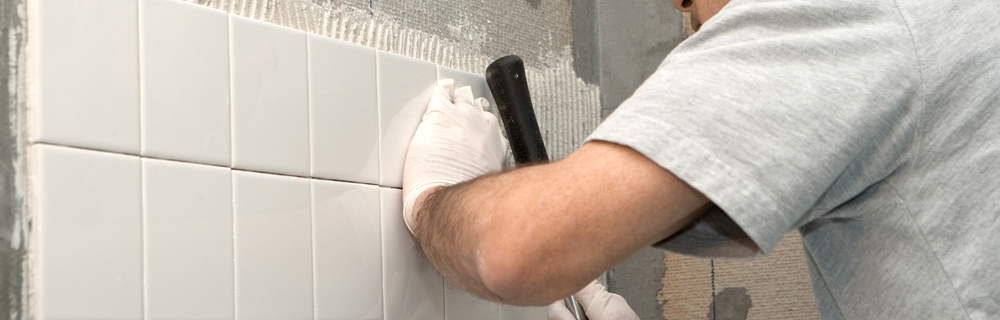
A shower that looks stained, scratched, or outdated can make an otherwise comfortable bathroom feel worn. In Phoenix, AZ, hard water deposits, frequent shower use, and aging bathroom surfaces can make maintaining an attractive shower challenging. Fortunately, advances in shower refinishing technologies and materials offer homeowners practical ways to refresh existing surfaces without committing to a complete bathroom renovation.
Shower refinishing uses specialized surface preparation methods, repair compounds, primers, and protective coatings to restore the appearance of compatible shower surfaces. Modern refinishing materials can improve adhesion, create a smoother finish, and help extend the useful life of a structurally sound shower. The right products and application methods depend on whether the shower is made from porcelain, fiberglass, acrylic, or another material.
What Phoenix Homeowners Should Know About Modern Shower Refinishing
-
Advanced coating systems can restore the appearance of worn shower surfaces while avoiding the demolition associated with full replacement.
-
Hard water deposits, common in the Phoenix area, must be removed properly before refinishing to support coating adhesion.
-
Fiberglass and porcelain surfaces require different preparation techniques and compatible refinishing materials.
-
Surface damage and moisture problems should be evaluated before applying new coatings, particularly in older Maricopa County homes.
-
Professional refinishing can offer a practical alternative to replacement when the existing shower is structurally sound.
For homeowners in Arcadia, Ahwatukee, North Phoenix, and surrounding communities, understanding these developments can make bathroom improvement decisions easier.
At A-1 Porcelain & Fiberglass Service Co., L.L.C., we understand the importance of evaluating existing shower surfaces before recommending refinishing. Choosing appropriate materials and preparation methods helps homeowners make informed decisions about restoring their bathrooms.
Local Data and Field Observations: How Phoenix Conditions Affect Shower Surfaces
Phoenix shower surfaces are exposed to mineral deposits, repeated cleaning, and daily moisture, making proper preparation especially important before refinishing. Although the region’s desert climate is dry, shower interiors experience frequent wetting and drying cycles that can contribute to surface wear, staining, and deterioration of vulnerable joints.
Water supplied throughout the Valley can contain dissolved calcium and magnesium. As water evaporates from shower walls, floors, and fixtures, these minerals can leave visible deposits.
These deposits may:
-
Create chalky white buildup on shower surfaces.
-
Make older finishes appear dull or discolored.
-
Increase the need for routine cleaning.
-
Interfere with refinishing adhesion if not removed.
-
Conceal small cracks or other surface imperfections.
In established neighborhoods such as Encanto and Maryvale, homeowners may also encounter older porcelain fixtures or fiberglass shower units that have experienced years of use.
These are regional maintenance considerations rather than measured findings from a specific property inspection. Individual shower conditions depend on the surface material, age, cleaning history, and previous repairs.
Local Impact: Why New Shower Refinishing Technologies Matter
Modern shower refinishing technologies can help Phoenix homeowners improve bathroom appearance while limiting demolition, material disposal, and renovation disruption. For households with only one bathroom or rental properties that need to remain functional, reducing the scope of a bathroom project can be particularly valuable.
Several developments are worth understanding.
Improved coating formulations
Modern professional coating systems may use specialized urethane, epoxy-based, or other engineered formulations. Depending on the product, these materials can provide strong adhesion, moisture resistance, and a smooth decorative finish.
Material-specific bonding systems
Porcelain, fiberglass, and acrylic do not behave identically. Newer primers and bonding products allow refinishers to select systems designed for the particular substrate rather than relying on one preparation method for every shower.
Advanced surface repair materials
Compatible fillers and repair compounds can address certain chips, scratches, and localized defects before a new finish is applied. However, these materials are not substitutes for correcting significant structural or moisture-related damage.
Improved application equipment
Professional spray equipment can help produce consistent coating coverage and a uniform appearance. Proper ventilation, surface preparation, and curing remain essential regardless of the equipment used.
Warning Signs That Your Shower May Need Refinishing
A shower may be a candidate for refinishing when its existing finish shows cosmetic deterioration but the underlying structure remains stable. Recognizing the difference between surface wear and deeper damage helps homeowners avoid unnecessary replacement or ineffective cosmetic repairs.
Watch for these signs:
-
Persistent discoloration: Stains remain visible after appropriate cleaning.
-
Dull or faded surfaces: The shower has lost its original smooth, attractive appearance.
-
Minor scratches: Everyday wear has left visible marks in the finish.
-
Small chips: Localized damage exposes or compromises the original surface.
-
Uneven appearance: Previous repairs or worn coatings create inconsistent color or texture.
-
Peeling refinished areas: An older applied coating begins separating from the underlying material.
-
Surface roughness: The shower feels less smooth because of coating wear or accumulated deposits.
Soft shower floors, spreading cracks, recurring leaks, and moisture damage outside the enclosure require more extensive evaluation before refinishing is considered.
When to Call a Professional for Shower Refinishing
Professional shower refinishing is appropriate when routine cleaning no longer restores the surface and a qualified evaluation confirms that the shower is suitable for a new coating. Homeowners should seek an assessment before attempting to cover cracks, loose coatings, or recurring moisture problems.
For Phoenix properties, a professional evaluation should consider the original surface material, previous coatings, mineral buildup, and condition of the shower enclosure.
A professional can determine whether localized repair and refinishing are reasonable or whether replacement is the safer long-term choice.
Homeowners can safely document visible wear, inspect accessible caulk joints, and use manufacturer-approved cleaning products. Sanding unknown coatings, mixing strong cleaning chemicals, or applying industrial refinishing products without proper training and protective equipment should be avoided.
Common Local Causes of Shower Surface Deterioration
The most common contributors to shower surface deterioration in the Phoenix area include mineral accumulation, abrasive cleaning, aging finishes, and unresolved moisture intrusion. Understanding these causes helps homeowners select refinishing materials and maintenance practices that address the underlying problem rather than temporarily hiding it.
1. Hard water buildup
Mineral deposits can collect on shower walls and floors, particularly where water repeatedly dries on the surface. Aggressive attempts to remove stubborn deposits may also damage existing finishes.
2. Abrasive cleaning products
Harsh scouring powders, abrasive pads, and incompatible chemicals can scratch or dull certain fiberglass, acrylic, and refinished surfaces.
3. Normal aging and use
Repeated use gradually wears some finishes. Older showers in Central Phoenix and nearby established communities may show discoloration, scratches, or previous repair marks.
4. Moisture intrusion
Failed caulk, compromised grout, or leaks can allow moisture into surrounding materials. Refinishing does not correct these problems, which should be repaired first.
5. Previous coating failure
Improper preparation, incompatible materials, or insufficient curing can contribute to peeling and premature coating deterioration.
Prevention and Maintenance: Protecting a Refinished Shower
Maintaining a refinished shower requires gentle cleaning, prompt attention to leaks, and following the coating manufacturer’s care instructions. In Phoenix, where mineral deposits can accumulate on frequently used bathroom surfaces, consistent maintenance is particularly helpful for preserving the appearance of a new finish.
Practical maintenance steps include:
-
Rinse away soap residue regularly.
-
Use a soft cloth or nonabrasive sponge.
-
Choose cleaners approved for the specific refinished coating.
-
Avoid steel wool, abrasive powders, and harsh scrubbing pads.
-
Remove standing water where practical.
-
Inspect caulk joints and accessible plumbing for leaks.
-
Address new chips or peeling before damage spreads.
During seasonal home maintenance, including before and after the summer monsoon period, homeowners can inspect bathroom ventilation and surrounding walls for signs of moisture problems.
Even though outdoor conditions are typically dry, adequate bathroom ventilation remains important for controlling indoor humidity.
Expected Results From Modern Shower Refinishing
Modern shower refinishing can produce a cleaner-looking, more uniform surface when the shower is structurally sound and the selected coating is compatible with the existing material. The final appearance, durability, and maintenance requirements depend on surface preparation, product selection, application quality, and everyday use.
Homeowners may reasonably expect improvements such as:
-
A more consistent surface color.
-
Reduced visibility of repaired cosmetic imperfections.
-
A smoother, refreshed appearance.
-
Less disruption than removing and replacing an entire shower enclosure.
-
Continued use of an existing fixture that remains suitable for service.
Some coating systems offer different finish or color options, although availability depends on the selected products.
Refinishing cannot permanently resolve structural movement, hidden leaks, deteriorated backing materials, or severe substrate damage. Cure times also vary, so homeowners should follow the specific instructions provided for their coating system before using the shower.
Common Mistakes Homeowners Make With Shower Refinishing
Common shower refinishing mistakes include inadequate surface preparation, choosing incompatible coatings, and using the shower before the new finish has cured. Avoiding these errors is particularly important in Phoenix bathrooms where mineral deposits and previous cleaning treatments may affect surface adhesion.
| Mistake | Possible consequence | Better approach |
|---|---|---|
| Coating over hard water deposits | Poor adhesion or uneven results | Thoroughly clean and prepare the substrate. |
| Using a generic coating on fiberglass | Peeling or premature wear | Select a system compatible with fiberglass. |
| Ignoring active leaks | Continued moisture damage | Repair the source of moisture first. |
| Skipping necessary surface repairs | Visible defects beneath the finish | Address suitable chips and scratches before coating. |
| Using the shower too early | Damage to an incompletely cured coating | Follow the specified curing period. |
| Cleaning with abrasive products | Scratches and dulling | Use approved nonabrasive cleaners. |
Common Local Scenario: Updating an Aging Fiberglass Shower
A common Phoenix bathroom improvement scenario involves a homeowner with an older fiberglass shower that has become dull, scratched, and stained after years of use. The shower remains structurally stable, but routine cleaning no longer restores its appearance.
The homeowner may initially consider replacing the entire enclosure. However, removal could also require work on surrounding walls, plumbing connections, or flooring.
After evaluating the shower, a refinishing professional may determine that suitable surface repairs, preparation, and a compatible coating can improve its appearance without complete replacement.
This is an illustrative scenario, not a documented customer project. The appropriate solution would depend on the actual condition of the enclosure and any underlying damage.
Related Service Solutions: Choosing the Right Refinishing Materials
The most suitable shower refinishing solution depends on whether the surface is porcelain, fiberglass, acrylic, or another material. Each substrate has different preparation and bonding requirements, so selecting compatible materials is more important than simply choosing the newest available coating.
For porcelain surfaces, refinishing may involve removing contaminants, addressing suitable chips, and applying an approved bonding and coating system.
For fiberglass showers, preparation may include repairing localized surface defects and using products designed to adhere to composite materials.
Previously refinished surfaces require additional evaluation because an existing coating may need to be removed or otherwise prepared before another finish is applied.
We encourage homeowners to evaluate the condition of their showers before selecting a refinishing approach.
Comparing Your Options: Refinishing vs. Shower Replacement
Shower refinishing is generally worth considering when the existing enclosure is structurally sound and the main concerns are cosmetic. Replacement becomes more appropriate when there is extensive structural damage, persistent leakage, or a need to change the shower’s layout or accessibility.
| Consideration | Shower refinishing | Shower replacement |
|---|---|---|
| Primary purpose | Restore an existing surface | Install a new shower or enclosure |
| Demolition | Usually limited | Often more extensive |
| Structural problems | Does not correct major damage | Can address damaged components during renovation |
| Design flexibility | Limited by existing structure | Greater opportunities for layout changes |
| Material disposal | Typically less | Usually more |
| Project duration | Depends on preparation and curing | Depends on demolition, installation, and related repairs |
| Cost | Often lower for suitable cosmetic projects | Typically higher when extensive work is required |
For homeowners in Scottsdale, Tempe, and Glendale, the decision should be based on actual surface condition and project goals rather than appearance alone.
Service Areas: Shower Refinishing in Phoenix and Nearby Communities
Phoenix homeowners and property managers may encounter similar shower maintenance concerns throughout Maricopa County, including neighborhoods such as Arcadia, Ahwatukee, and North Phoenix. Nearby communities such as Scottsdale, Tempe, Glendale, and Mesa also experience mineral buildup and aging bathroom surfaces.
We recommend confirming service availability for your specific address when discussing a refinishing project.
Cost of Ignoring a Deteriorating Shower Surface
Ignoring a deteriorating shower surface can allow manageable cosmetic damage to become more difficult to repair, particularly when chips, peeling coatings, or failed joints expose vulnerable materials. However, cosmetic wear alone does not necessarily mean that a shower is leaking or requires immediate replacement.
For local homeowners, the most important distinction is between appearance-related problems and active moisture damage.
A dull finish may be primarily cosmetic. A soft shower floor, spreading crack, or recurring water damage near the enclosure may indicate a more serious condition.
Early evaluation can help determine whether refinishing is appropriate and prevent money from being spent on a coating that will not address the underlying problem.
Frequently Asked Questions About Shower Refinishing
1. What are the latest technologies used in shower refinishing?
Modern shower refinishing technologies include improved bonding primers, specialized protective coatings, compatible surface repair compounds, and professional spray application equipment. These systems are designed to improve finish uniformity and adhesion when properly matched to the substrate. Product performance varies, making preparation, ventilation, and correct application essential to successful results.
2. Is shower refinishing a good option for Phoenix homeowners?
Shower refinishing can be a practical option for Phoenix homeowners whose showers have cosmetic wear but remain structurally sound. It may refresh the appearance of porcelain or fiberglass surfaces without extensive demolition. However, active leaks, major cracks, and damaged supporting materials should be evaluated and corrected before any coating work begins.
3. Can fiberglass showers be refinished in Arizona homes?
Yes, many fiberglass showers can be refinished when their underlying structure is stable and the existing surface is suitable for coating. Fiberglass requires compatible repair compounds, preparation methods, and bonding materials. In Arizona homes, accumulated mineral deposits and previous cleaning products must also be addressed before refinishing begins.
4. How does Phoenix hard water affect refinished shower surfaces?
Hard water can leave mineral deposits on refinished shower surfaces as water evaporates. These deposits may make the finish appear cloudy or dull, even when the coating itself remains intact. Gentle, regular cleaning with approved products can help control buildup without damaging the refinished surface.
5. How long does a professionally refinished shower last?
A professionally refinished shower’s lifespan depends on the coating system, preparation quality, frequency of use, cleaning habits, and underlying surface condition. No single lifespan applies to every shower. Homeowners can support long-term performance by following curing instructions, avoiding abrasive cleaners, and addressing new damage promptly.
6. Can an older shower in Central Phoenix be refinished instead of replaced?
An older shower in Central Phoenix may be suitable for refinishing if its primary problems involve staining, minor chips, scratches, or worn appearance. A professional should first inspect the material and structural condition. Extensive cracks, unstable surfaces, and hidden moisture damage may make replacement or more substantial repair necessary.
7. Are modern shower refinishing materials safe for indoor use?
Professional shower refinishing materials can be used indoors when the application follows manufacturer instructions and appropriate safety controls. Some coatings release vapors or require specialized ventilation and protective equipment. Homeowners should ask about ventilation, reentry requirements, curing times, and product-specific precautions before scheduling refinishing work.
8. Is shower refinishing less expensive than replacement in Maricopa County?
Shower refinishing is often less expensive than full replacement when the existing enclosure only needs cosmetic restoration. However, actual project costs in Maricopa County depend on shower size, surface material, repair requirements, and coating selection. Comparing written estimates and understanding what each service includes will help homeowners make an informed decision.
9. Can I use my shower immediately after refinishing?
No, a newly refinished shower generally needs a specified curing period before regular use. The required time depends on the coating formulation, application conditions, and manufacturer’s instructions. Using the shower too soon can compromise the finish, so homeowners should follow the refinishing professional’s exact guidance.
10. Does shower refinishing help reduce bathroom renovation waste in Phoenix?
Shower refinishing can reduce renovation waste by preserving an existing enclosure instead of removing and discarding it. For Phoenix homeowners with structurally sound showers, this may eliminate the need to dispose of large fixture components. The overall environmental impact still depends on coating materials, preparation methods, and the scope of the project.
Refresh Your Shower With the Right Refinishing Approach
Advances in shower refinishing materials give homeowners more ways to restore worn bathroom surfaces while preserving existing fixtures. For properties throughout the Phoenix area, understanding coating compatibility, surface preparation, and maintenance requirements can help make refinishing a practical and informed investment.
We believe the best starting point is evaluating the shower’s condition and identifying whether professional refinishing can address its specific needs.
Give Your Phoenix Shower a Fresh, Updated Appearance
A properly evaluated refinishing project can help restore a worn shower while avoiding unnecessary renovation work.