
How to Extend the Life of Your Bathtub Through Regular Maintenance
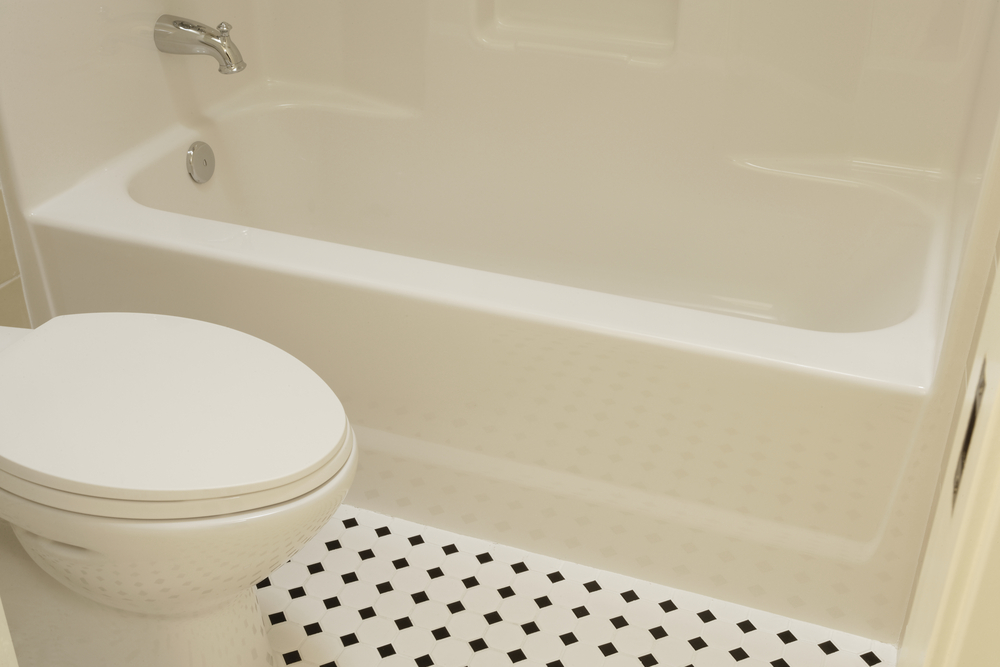
Your bathtub is one of the most frequently used fixtures in your home, but everyday wear can gradually affect its appearance, comfort, and durability. For homeowners in Phoenix, AZ, hard water, mineral buildup, and frequent cleaning can make bathtub maintenance particularly important. Without proper care, even a well-made bathtub can develop stains, scratches, surface damage, and other problems that shorten its useful life.
Fortunately, regular bathtub maintenance can help preserve its finish, prevent avoidable damage, and reduce the need for expensive repairs or premature replacement. Simple habits, such as using gentle cleaning products, addressing leaks promptly, and protecting the surface from scratches, can make a meaningful difference.
For Phoenix homeowners, a few important maintenance practices include:
-
Cleaning bathtub surfaces regularly with nonabrasive products helps prevent soap scum and mineral buildup.
-
Hard water commonly found throughout the Phoenix metropolitan area can leave stubborn deposits on bathtub fixtures and surfaces.
-
Checking caulking and plumbing connections helps prevent moisture from reaching surrounding walls and flooring.
-
Addressing chips, cracks, and peeling finishes early can prevent further deterioration.
-
Professional bathtub refinishing or surface repair may restore a worn bathtub without requiring complete replacement.
At A-1 Porcelain & Fiberglass Service Co., L.L.C., we understand how important it is to protect bathroom fixtures from everyday wear. Knowing how different bathtub materials respond to cleaning, moisture, and damage can help homeowners make informed decisions about maintenance and repairs.
Why Regular Bathtub Maintenance Matters in Phoenix, AZ
Regular bathtub maintenance helps prevent surface deterioration, moisture damage, and mineral buildup while preserving the fixture’s appearance and functionality. In Phoenix, where hard water and frequent bathroom use can contribute to ongoing wear, preventive care can help homeowners avoid unnecessary repairs and extend the useful life of their bathtubs.
Many homes throughout Maricopa County feature porcelain, fiberglass, or acrylic bathtubs. Although these materials are designed for repeated exposure to water, each requires appropriate care to maintain its protective finish.
Porcelain bathtubs typically have a durable, glossy surface, but the finish can chip if struck by heavy objects. Fiberglass bathtubs are lightweight and practical, although their gel coat surfaces may become scratched, dull, or discolored over time. Acrylic bathtubs generally resist many everyday stains but can still suffer damage from abrasive cleaners, excessive heat, and harsh chemicals.
The mineral content of local water can also influence how bathtub surfaces age. As water evaporates, calcium and magnesium deposits may remain behind, creating cloudy spots or stubborn buildup.
In neighborhoods such as Arcadia, Ahwatukee, and North Mountain, homeowners may encounter different bathtub materials depending on the age and construction of their properties. Understanding the type of bathtub installed in your home is the first step toward choosing appropriate maintenance methods.
How to Clean Your Bathtub Without Damaging the Finish
Cleaning your bathtub without damaging its finish requires gentle, nonabrasive products, soft cleaning tools, and consistent attention to soap scum and mineral deposits. Phoenix homeowners should avoid aggressive scrubbing and harsh chemicals because these can gradually wear away protective coatings, especially on fiberglass, acrylic, and professionally refinished surfaces.
Begin by identifying your bathtub material and reviewing any available manufacturer or refinishing care instructions.
For routine cleaning, use a soft microfiber cloth or nonabrasive sponge with a mild cleaner approved for the bathtub’s surface. Rinse thoroughly afterward to remove residue.
A practical cleaning routine includes wiping down the bathtub after frequent use, performing a more thorough cleaning weekly, and inspecting the surface periodically for signs of damage.
Avoid steel wool, stiff brushes, abrasive powders, and aggressive scouring pads. Although these products may remove visible stains, they can also scratch the finish and create small imperfections where dirt and mineral deposits collect.
Some homeowners use vinegar to remove hard water buildup. However, acidic cleaners are not appropriate for every bathtub material or refinished surface. Always confirm compatibility before applying acidic or descaling products.
Never mix household cleaning chemicals, particularly bleach and ammonia-based products.
For households in Scottsdale, Tempe, and surrounding Valley communities, consistent gentle cleaning is generally more effective than allowing deposits to accumulate and attempting to remove them through aggressive scrubbing.
Preventing Hard Water Stains and Mineral Buildup
Preventing hard water stains requires removing standing water, cleaning mineral deposits before they harden, and using products compatible with your bathtub’s finish. Because Phoenix-area water often contains dissolved minerals, homeowners may notice white residue, cloudy patches, or buildup around faucets and drains.
Hard water deposits form when mineral-containing water evaporates and leaves residue behind. Over time, these deposits can become increasingly difficult to remove.
One of the simplest preventive measures is drying the bathtub after use. A soft towel or microfiber cloth can remove excess moisture from the tub walls, rim, and surrounding fixtures.
Pay particular attention to areas where water regularly collects, including the drain opening, faucet base, and corners of the bathtub.
A leaking faucet can also contribute to mineral buildup by continuously introducing water to the same area. Repairing dripping fixtures helps prevent persistent deposits and unnecessary water waste.
Some homeowners consider water-softening systems to reduce mineral buildup throughout their plumbing fixtures. Although these systems may reduce certain hard water deposits, they do not eliminate the need for regular cleaning.
For homes in Glendale, Mesa, and Chandler, a consistent maintenance routine can help keep bathtub surfaces looking cleaner despite regional water conditions.
Recognizing Early Signs of Bathtub Damage
Early signs of bathtub damage include chips, cracks, discoloration, peeling coatings, persistent stains, and soft or unstable areas. Identifying these problems before they worsen gives Phoenix homeowners an opportunity to determine whether cleaning, professional surface repair, or bathtub replacement is the most appropriate solution.
Several warning signs deserve attention.
Small Chips in the Finish
Porcelain surfaces may chip when struck by dropped objects. A chip can expose the material beneath the protective finish, potentially allowing corrosion to develop on metal bathtubs.
Hairline Cracks
Small cracks in acrylic or fiberglass surfaces may result from impact, movement, or inadequate support. Some cracks are primarily cosmetic, while others can indicate a more serious structural concern.
Peeling or Flaking Coatings
A bathtub that has previously been refinished may develop peeling or flaking if the coating becomes damaged or loses adhesion.
Persistent Discoloration
Yellowing, dark stains, and cloudy patches can develop from cleaning products, mineral deposits, aging finishes, or other surface conditions.
Rough or Dull Areas
A finish that feels rough or appears noticeably dull may have experienced abrasion, chemical damage, or gradual wear.
Moisture Around the Bathtub
Water stains on nearby walls, deteriorating caulk, or damp flooring may indicate a plumbing or waterproofing problem.
Movement or Flexing
A bathtub that shifts, flexes excessively, or feels unstable underfoot may have an underlying support issue requiring professional evaluation.
Not every imperfection requires bathtub replacement. However, visible damage should be evaluated before it develops into a more extensive problem.
Protecting Your Bathtub From Scratches, Cracks, and Surface Wear
Protecting a bathtub from scratches and cracks involves avoiding heavy impacts, using compatible accessories, and preventing unnecessary stress on the surface. These precautions are especially helpful for fiberglass and acrylic bathtubs, which may be more vulnerable to scratching than traditional porcelain finishes.
Avoid dropping heavy shampoo bottles, metal shower accessories, or other hard objects into the bathtub. Even a single impact can damage the protective finish.
Be careful when using bath mats with suction cups. Certain mats can affect refinished surfaces, particularly if left in place for extended periods. Check the manufacturer’s recommendations before using them.
If you use a shower chair, transfer bench, or other bathroom accessibility equipment, confirm that it is suitable for your bathtub and distributes weight appropriately.
Homeowners should also avoid placing ladders, heavy tools, or construction materials directly inside the tub during bathroom improvement projects.
In older Phoenix homes, bathtub surfaces may already have years of wear. Taking extra precautions during cleaning and remodeling can help preserve the remaining finish.
Maintaining Caulking, Drains, and Plumbing Fixtures
Maintaining bathtub caulking, drains, and plumbing fixtures helps prevent water intrusion, drainage problems, and deterioration around the bathing area. Even when the bathtub surface remains in good condition, damaged seals or leaking plumbing can create moisture problems that affect nearby walls, flooring, and structural materials.
Inspect the caulking where the bathtub meets the surrounding walls. Look for gaps, peeling sections, cracking, or areas where the seal has separated.
Damaged caulking should be removed and replaced using a product appropriate for the installation. Applying new caulk over deteriorated material may not create a reliable seal.
Keep the drain clear of hair and debris using a removable drain screen when practical. Avoid relying on harsh chemical drain cleaners, which may damage certain finishes, plumbing components, or seals.
Check the faucet and showerhead for persistent dripping. Small leaks can contribute to staining and mineral buildup while wasting water.
During the Phoenix summer, when household water use and bathing routines may change, it is worth checking bathroom fixtures for leaks and visible deterioration.
If you notice water beneath the bathtub, unexplained dampness, or recurring moisture damage, contact a qualified plumbing professional. Surface cleaning or refinishing cannot resolve an active plumbing leak.
Common Bathtub Maintenance Mistakes to Avoid
Common bathtub maintenance mistakes include using abrasive cleaners, ignoring minor damage, allowing water to collect, and applying unsuitable repair products. These habits can accelerate surface deterioration and increase the likelihood of more extensive repairs for homeowners throughout the Phoenix metropolitan area.
One frequent mistake is assuming stronger cleaning products produce better results. Abrasive powders and aggressive scrubbing may remove buildup temporarily but can leave scratches or dull spots that make future cleaning more difficult.
A better approach is to clean regularly with products specifically approved for the bathtub material.
Another mistake is ignoring small chips or cracks. Although minor damage may initially seem cosmetic, exposed surfaces can become more vulnerable to moisture and additional wear.
Homeowners sometimes attempt to conceal damaged areas using generic paints or household adhesives. These products may not bond properly with bathtub materials or withstand repeated exposure to water.
Professional repair products and application methods are generally better suited to restoring damaged bathing surfaces.
Finally, homeowners should avoid assuming that every stained or worn bathtub needs replacement. Some surface problems can be addressed through professional repair or refinishing, depending on the condition of the fixture.
When Should You Consider Professional Bathtub Repair or Refinishing?
Professional bathtub repair or refinishing is worth considering when routine cleaning no longer restores the surface, chips or cracks are visible, or the existing finish has become noticeably worn. For Phoenix homeowners, these services may offer an alternative to replacing an otherwise functional bathtub.
Bathtub repair generally focuses on correcting localized damage, such as certain chips, scratches, and cracks. The appropriate repair method depends on the material and extent of the problem.
Bathtub refinishing involves preparing the existing surface and applying a specialized coating system to improve its appearance and create a renewed finish.
Refinishing may be appropriate when a bathtub is structurally sound but has widespread cosmetic wear, staining, or surface deterioration.
However, refinishing is not suitable for every situation. Significant structural cracks, persistent leaks, inadequate support, or extensive deterioration may require more substantial repairs or replacement.
A professional assessment can help determine whether the existing bathtub is a reasonable candidate for restoration.
At A-1 Porcelain & Fiberglass Service Co., L.L.C., we encourage homeowners to address bathtub surface concerns before they become more complicated. Understanding the condition of the existing fixture can help guide the decision between continued maintenance, repair, refinishing, and replacement.
Bathtub Repair vs. Replacement: Which Option Makes More Sense?
Bathtub repair or refinishing often makes sense when the fixture remains structurally sound and the damage is primarily cosmetic. Replacement may be more appropriate when the bathtub has serious structural problems, extensive deterioration, or a design that no longer meets the household’s needs.
For Phoenix homeowners, the decision should account for the bathtub’s material, condition, installation, and surrounding bathroom finishes.
Repairing a localized chip or scratch may be less disruptive than removing the entire bathtub. Refinishing can also improve the appearance of a worn surface without requiring extensive demolition.
Replacement typically involves more than purchasing a new fixture. Depending on the installation, the project may require plumbing modifications, tile removal, waterproofing work, and repairs to surrounding finishes.
For homes in established communities such as Encanto Village and Central Phoenix, preserving an existing bathtub may be worth considering when the fixture is functional and compatible with the bathroom’s layout.
However, a bathtub with serious structural defects should not be refinished simply to conceal those problems.
The most practical option is the one that addresses the underlying condition while supporting safe, reliable long-term use.
Creating a Simple Bathtub Maintenance Schedule
A bathtub maintenance schedule should combine frequent gentle cleaning, monthly inspections, and prompt attention to surface damage or plumbing concerns. Following a consistent routine helps Phoenix homeowners identify problems early while reducing the buildup of soap residue, minerals, and moisture.
After each use, rinse away soap residue and remove standing water when practical. Drying areas where water collects can help minimize mineral deposits.
Once a week, clean the bathtub with a compatible nonabrasive product. Pay attention to corners, fixtures, and areas that regularly collect residue.
Once a month, inspect the finish for scratches, chips, cracks, and discoloration. Check the caulking, faucet, and drain for visible signs of deterioration.
Every few months, review the overall condition of the bathtub and surrounding surfaces. Look for changes in appearance, recurring moisture, or areas that have become increasingly difficult to clean.
Before hosting holiday visitors or accommodating extended household use, consider giving the bathtub a thorough inspection and cleaning.
For households with children, pets, or frequent bath use, additional cleaning may be necessary.
Consistency matters more than aggressive cleaning. A manageable routine is generally easier to maintain and less likely to damage the bathtub’s protective surface.
Frequently Asked Questions About Bathtub Maintenance
How often should I clean my bathtub in Phoenix, AZ?
Most bathtubs benefit from gentle cleaning at least once a week, although heavily used fixtures may require more frequent attention. Phoenix homeowners should also rinse away soap residue and dry areas where water collects. This helps limit mineral deposits and reduces the need for aggressive cleaning.
Can hard water permanently damage a bathtub?
Hard water can contribute to stubborn mineral buildup and surface discoloration, particularly when deposits remain untreated for extended periods. The minerals themselves do not automatically mean the bathtub is permanently damaged. However, aggressive cleaning attempts can scratch or wear the finish, making proper maintenance especially important.
What is the safest way to clean a fiberglass bathtub?
A mild, nonabrasive cleaner approved for fiberglass and a soft cloth or sponge are generally appropriate. Avoid steel wool, abrasive powders, and harsh scrubbing tools. Always follow the bathtub manufacturer’s instructions, especially if the surface has been repaired or refinished.
How do I know if my Phoenix bathtub needs refinishing?
A bathtub may benefit from refinishing when the surface has widespread discoloration, dullness, or cosmetic wear that regular cleaning cannot resolve. The fixture should also be structurally sound. A professional evaluation can determine whether refinishing is suitable or whether repairs or replacement are necessary.
Can small bathtub cracks be repaired?
Some small bathtub cracks can be repaired, depending on their location, depth, and underlying cause. Cracks associated with excessive movement or inadequate support may require more extensive work. Homeowners should avoid covering cracks without first determining whether the bathtub has a structural or moisture-related problem.
Does Phoenix’s climate affect bathtub maintenance?
Phoenix’s desert climate does not directly expose indoor bathtubs to the same conditions as outdoor fixtures, but local water mineral content can affect cleaning needs. Hard water deposits may accumulate around faucets, drains, and tub surfaces. Consistent rinsing and gentle cleaning help control this buildup.
How long does professional bathtub refinishing last?
The lifespan of a refinished bathtub varies depending on the coating system, surface preparation, frequency of use, and maintenance practices. Following the refinishing professional’s care instructions, avoiding abrasive cleaners, and promptly addressing damage can help preserve the renewed finish.
Should I replace an older porcelain bathtub in a Phoenix home?
An older porcelain bathtub does not necessarily need replacement simply because of its age. If the fixture is structurally sound, surface repair or refinishing may be an option. However, extensive corrosion, serious damage, or persistent leaks may make replacement more practical.
Can I use a suction-cup bath mat on a refinished bathtub?
Suction-cup bath mats may damage certain refinished coatings or interfere with proper surface care. Check the refinishing provider’s recommendations before using one. If additional slip resistance is needed, consider an approved alternative that provides safe footing without compromising the bathtub finish.
Protect Your Bathtub With Professional Care in Phoenix, AZ
Extending the life of your bathtub starts with simple, consistent maintenance. Gentle cleaning, early damage detection, proper moisture control, and careful use can help preserve its appearance and functionality for years.
For homeowners throughout Phoenix and nearby communities, understanding how hard water, everyday wear, and different bathtub materials affect surface condition can make maintenance decisions easier.
When cleaning and routine upkeep are no longer enough, professional repair or refinishing may help restore the appearance of an existing bathtub without the disruption of a complete replacement.
Restore and Protect Your Bathtub With A-1 Porcelain & Fiberglass Service Co., L.L.C.
A damaged or worn bathtub does not always mean you need to replace the entire fixture. Professional evaluation can help you understand your restoration options and determine the most appropriate next step.
At A-1 Porcelain & Fiberglass Service Co., L.L.C., we help homeowners explore solutions for maintaining and restoring bathtub surfaces. If your bathtub has chips, cracks, discoloration, or a deteriorating finish, contact us to discuss your concerns and learn whether professional bathtub repair or refinishing may be right for your Phoenix, AZ, home.